When webinars are organised several times a year, it is best to build the production into a series rather than individual projects.
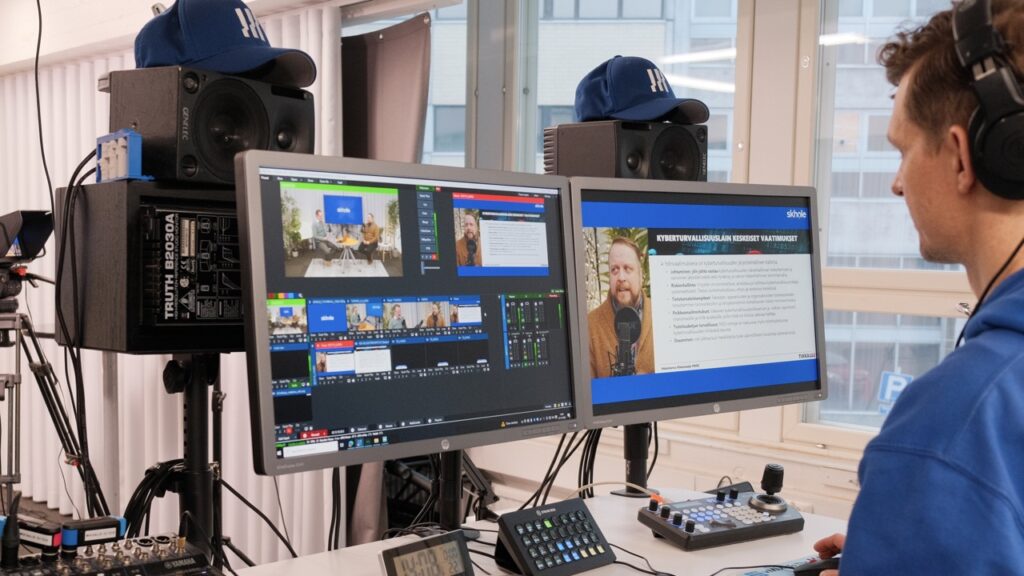
SKHOLE and RATEKO are a good example of how webinar production can be made more efficient when planned as a series of broadcasts. Organizing a Webinar It works best when the customer is responsible only for the content and Solid Stream handles everything else.
Solid Stream implemented large-scale webinars for both clients, where the aim was not just to make a single live broadcast a success, but to provide a viable and cost-effective production model for the entire training series.
Situation at
Both SKHOLE and RATEKO needed a reliable model to distribute expert content several times during the year without having to rebuild each webinar from scratch.
SKHOLE delivers training courses as defined by law to professional organisations in the social sciences sector in Finland. The webinars included expert medical and health care content, such as topics related to child and adolescent mental health, substance abuse and information security.
RATEKO, for its part, provides training in the construction sector. For them, an extensive series of webinars on topics related to renovation construction was carried out.
In both cases, the customer's need was clear: the content comes from the customer, but the production must be reliable, lean and repeatable.
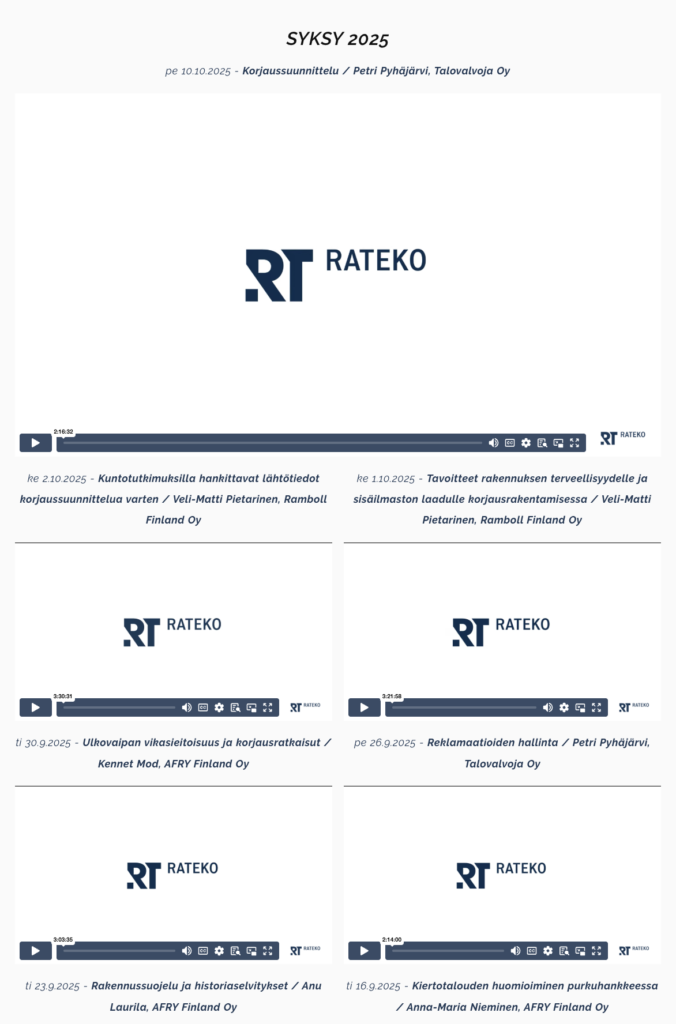
RATEKO's viewing page.
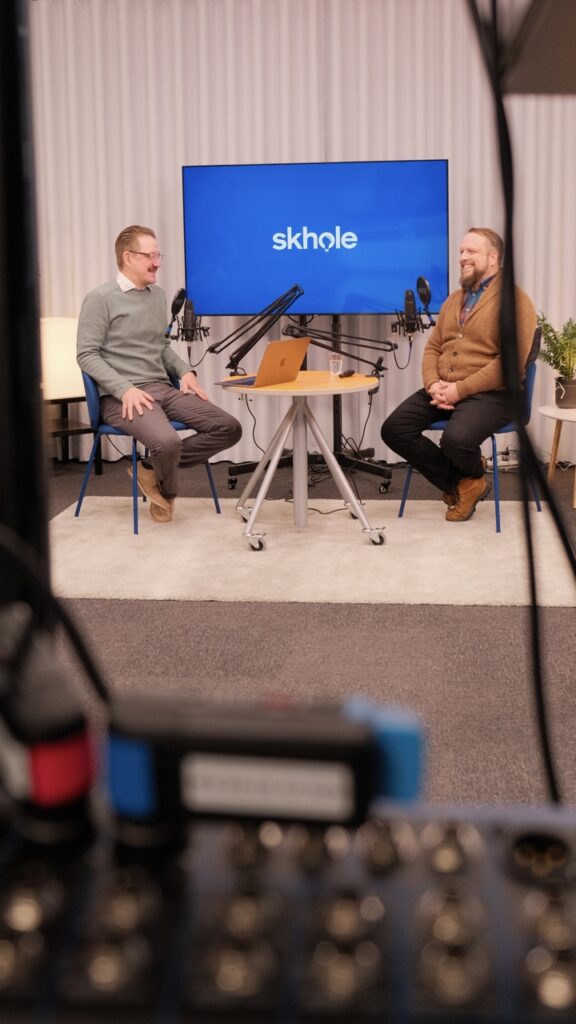
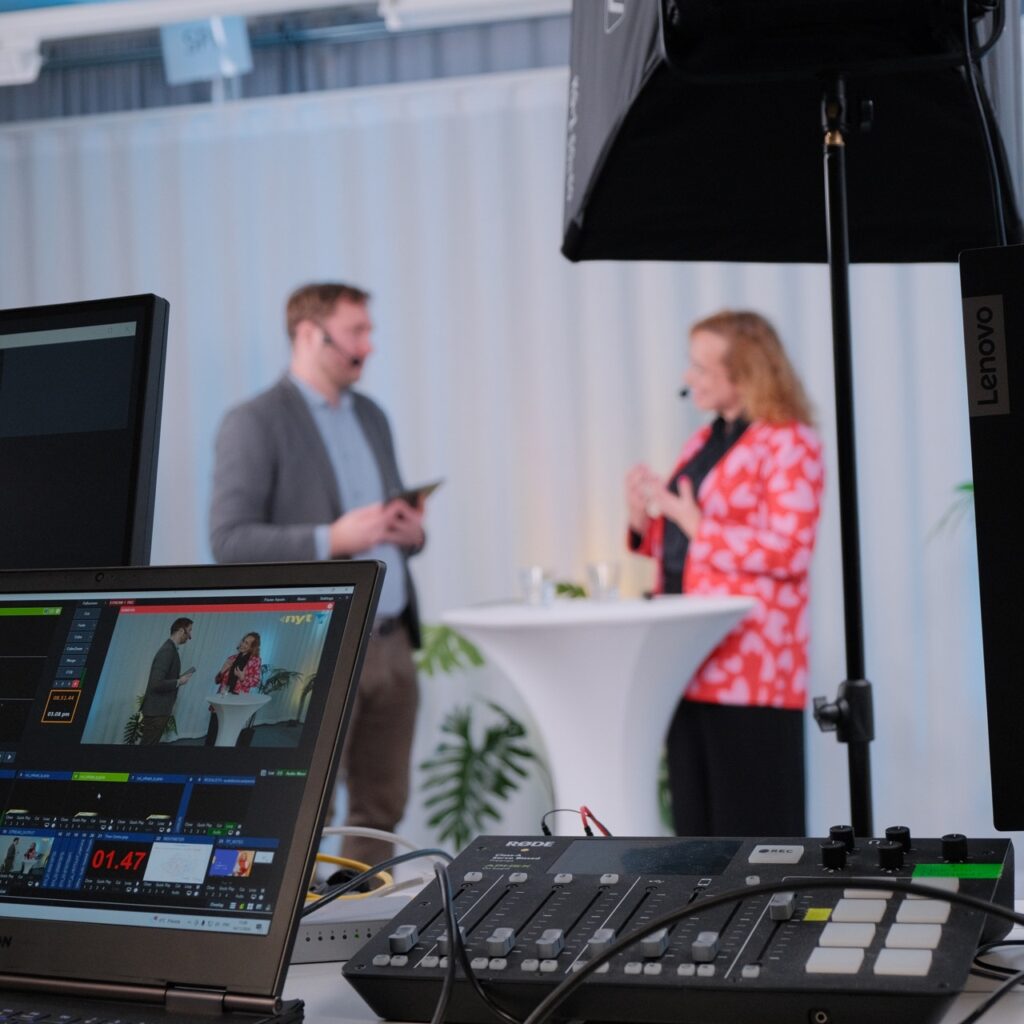
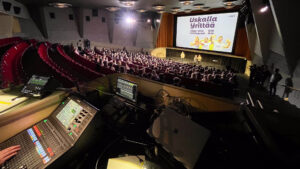
The atmosphere in Skholen broadcasting.
A webinar series is different from a single webinar
With dozens of shipments over the course of a year, the operating model needs to be designed differently.
In series production, the most important thing is not just one successful transmission, but repeatability.
When several webinars are announced:
The production model can be standardised.
The production process is speeded up.
The workload remains under control.
The cost structure can be optimised for the customer.
This makes the series much more efficient for both the client and the production team than doing individual shipments as separate projects.
Implementation in practice
SKHOLEN's webinar series focused on expert content. The webcasts typically featured one expert, presentation materials and discussion or questions from participants.
The recordings were uploaded to SKHOLE's own platform, where course participants could return to the content later.
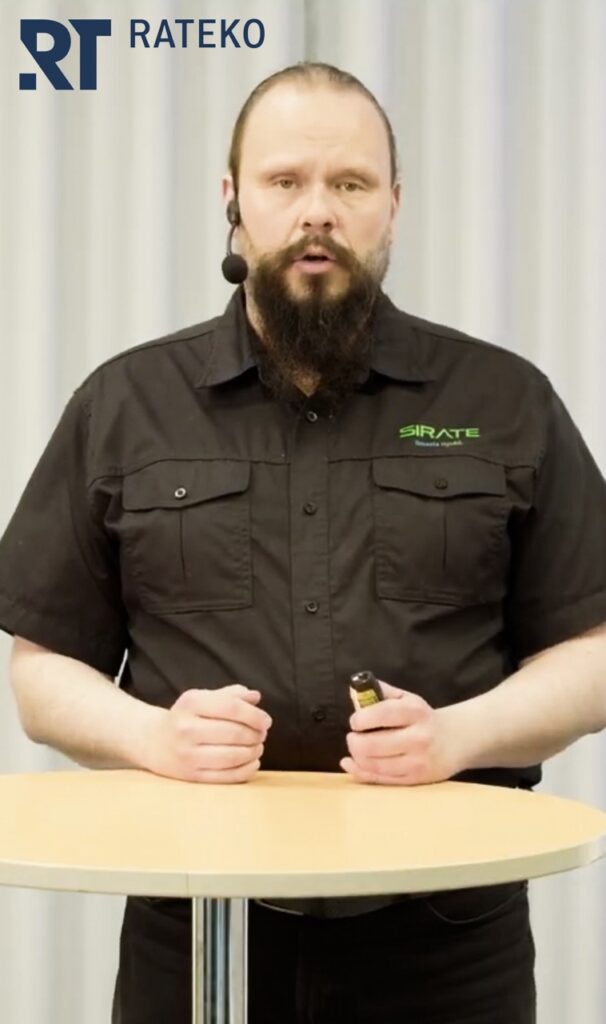
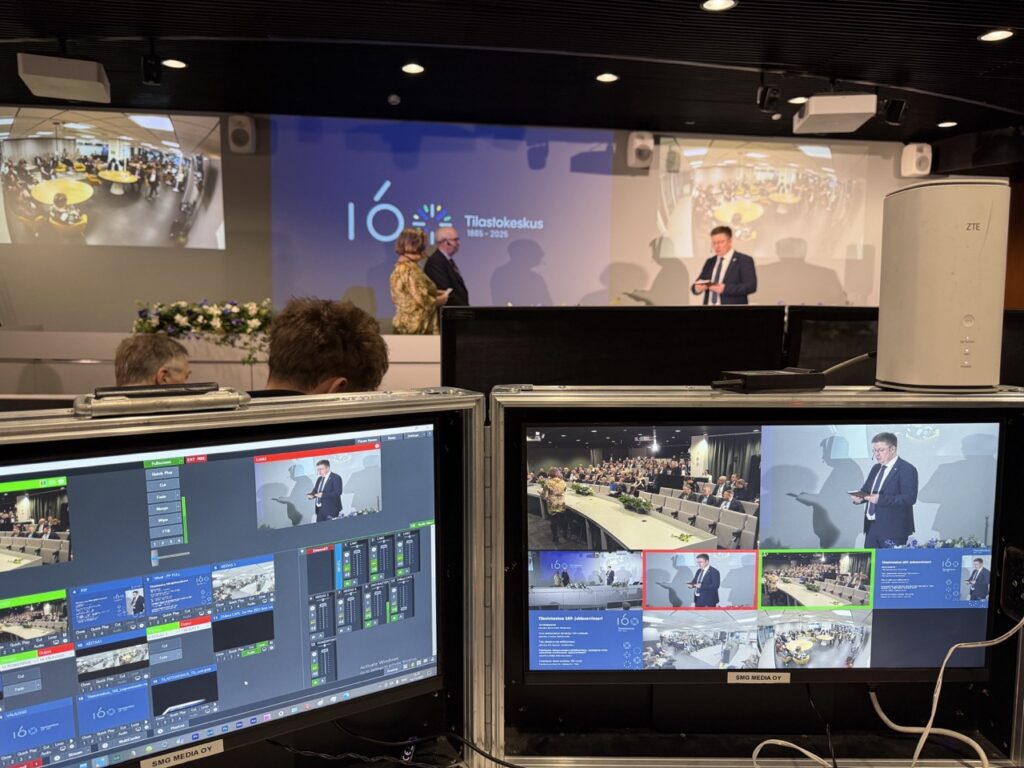
The aim of the RATEKO webinar series was to provide a comprehensive training package on renovation topics. The broadcasts were carried out at the customer's own premises using a lightweight and easily reproducible production model.
As RATEKO did not have its own platform for recordings, Solid Stream also implemented a view page and recording environment for them. This made both live broadcasts and previous recordings available to participants in the same place.
Why this production model works
The biggest benefit of serial production comes from predictability.
When the customer's needs are known in advance, decisions can be made, for example:
Where the webinars will take place.
What kind of production model is needed.
How the recordings are distributed to participants.
This way, the customer is not sold a new, unrelated product every time, but a functioning service model is built.
With the right planning, the webinar series keeps production under control and quality consistent throughout the year.
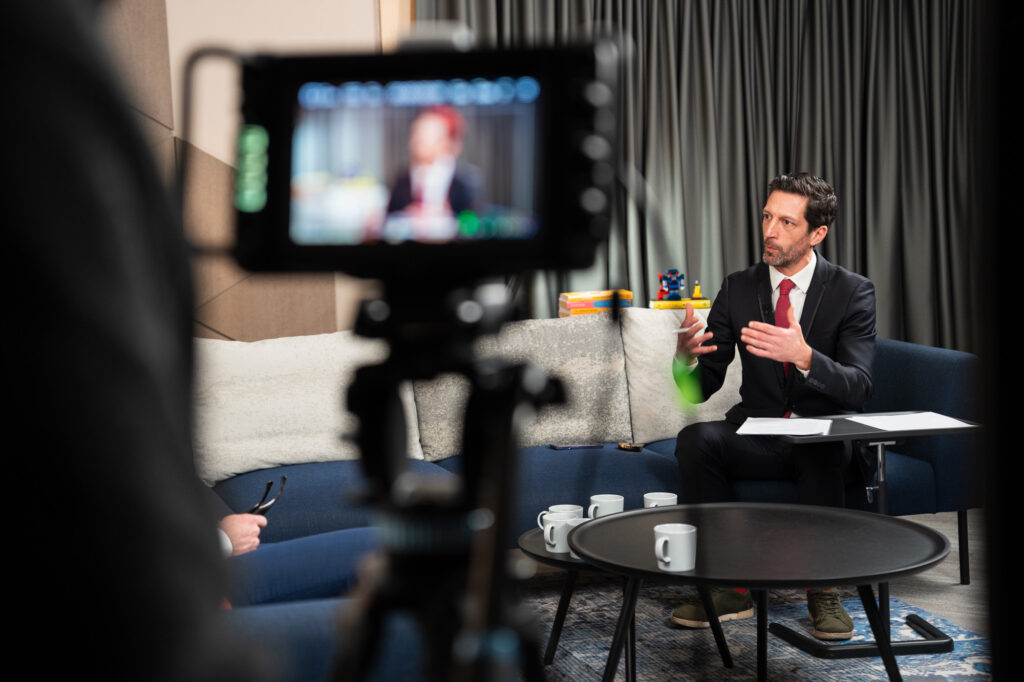
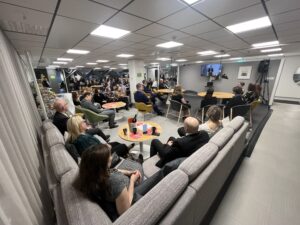
Training in progress.
Result
The SKHOLE and RATEKO implementations show that recurring webinar production works particularly well when the client has an ongoing need for training or expert communication.
When the webinar series works well:
The content comes out in a uniform quality.
The customer's own work is lightened.
Production remains under control.
The recordings are easily accessible for later use.
Solid Stream's role was to build a production model for both customers that suited their needs, rather than implementing each shipment as a new individual project.
Thanks to Skhole and RATEKOLLE for their cooperation. Listen to the video to hear the customer's comments about working with Solid Stream!


 English
  Suomi
Suomi  Svenska